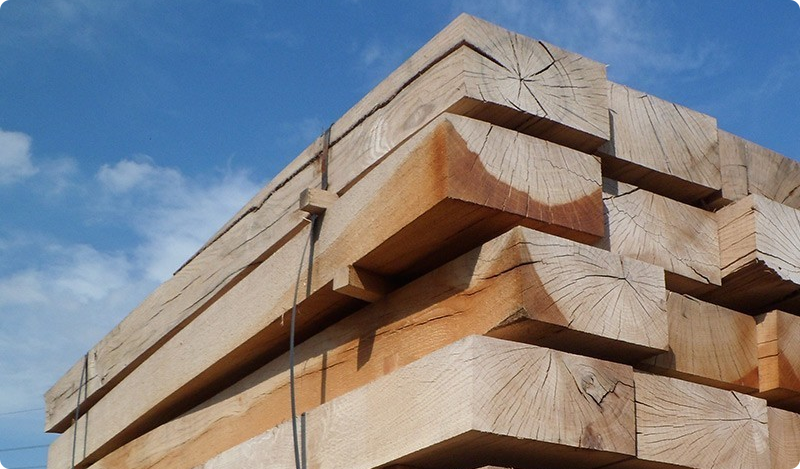
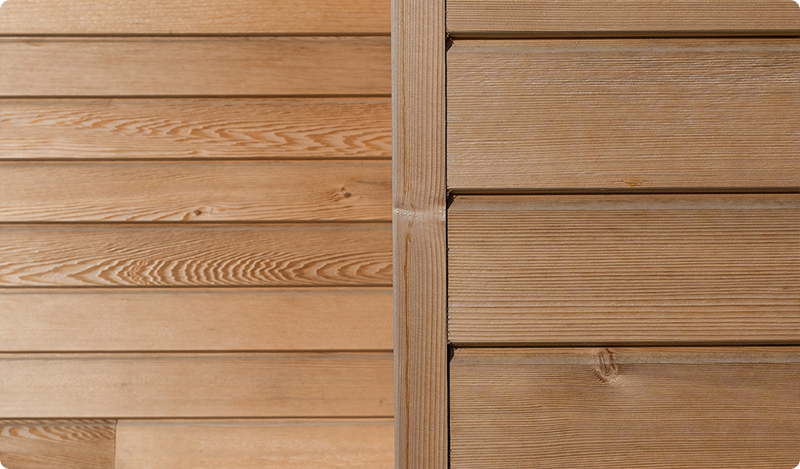
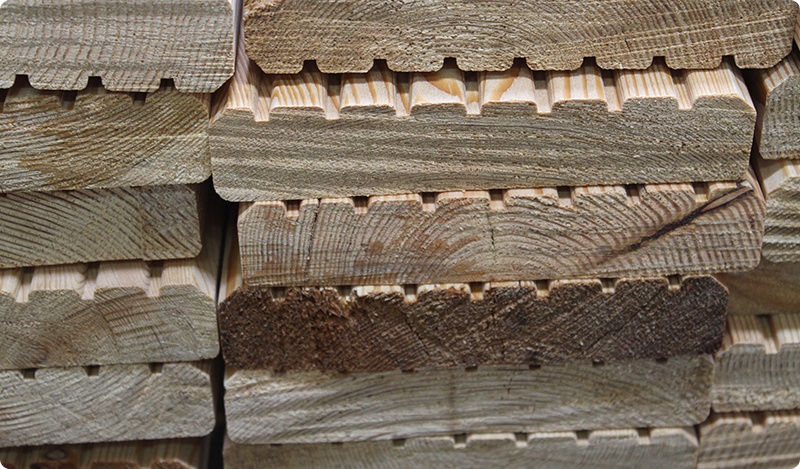
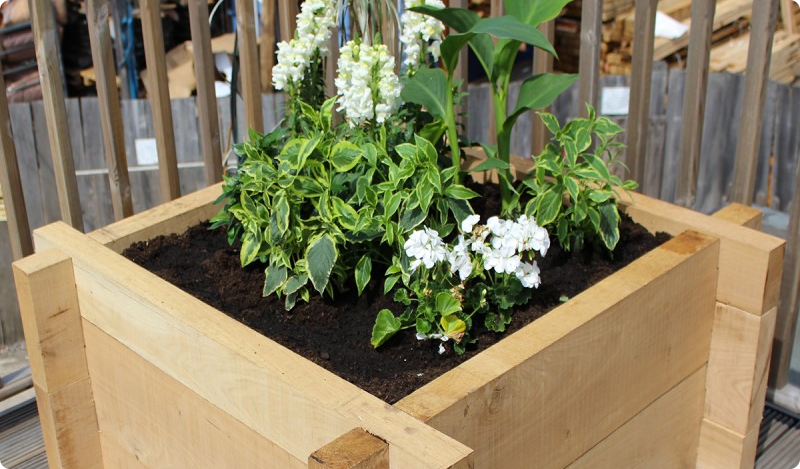
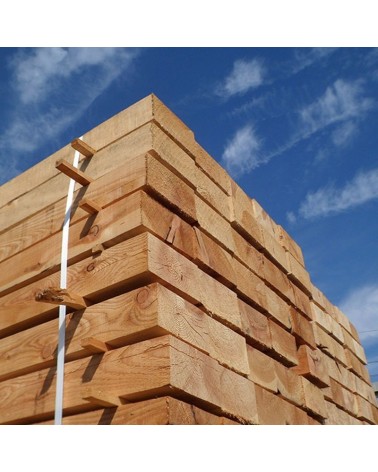
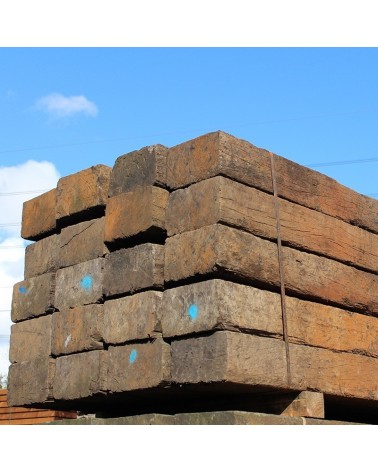
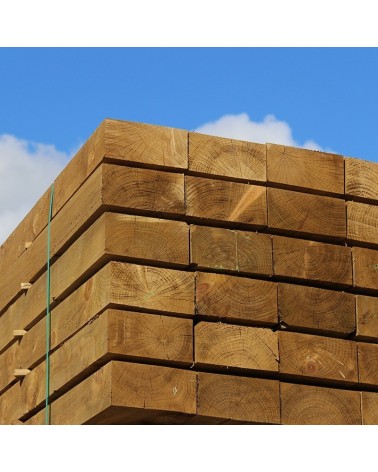
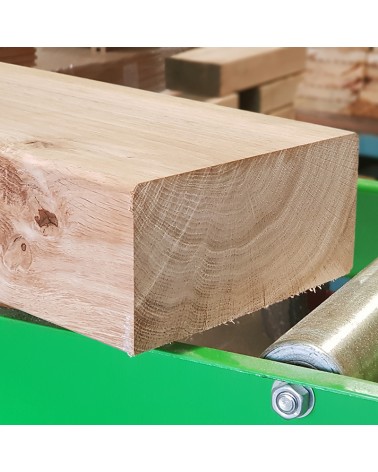
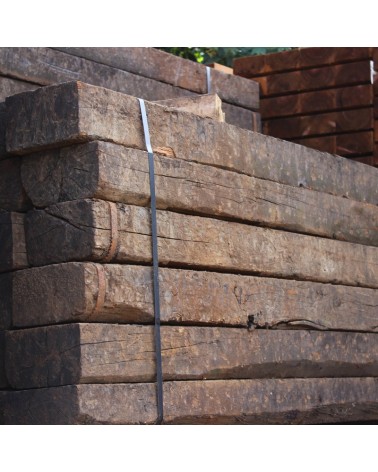
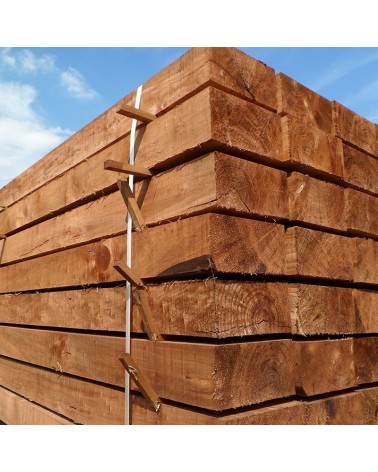
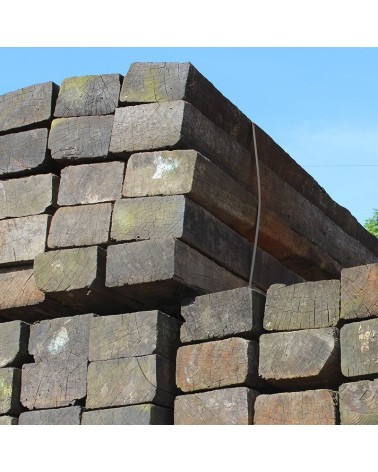
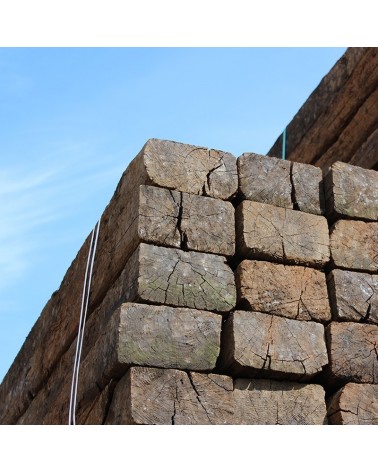
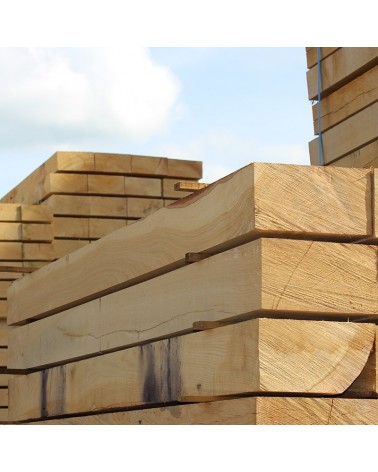
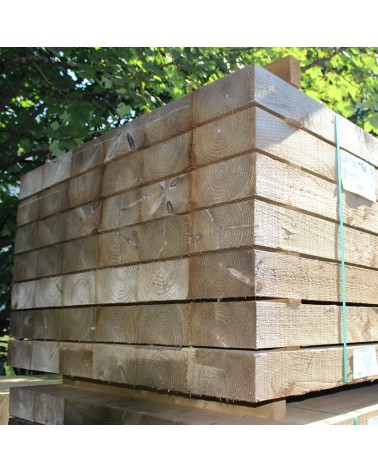
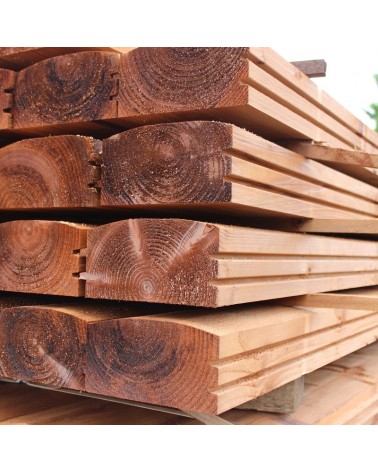
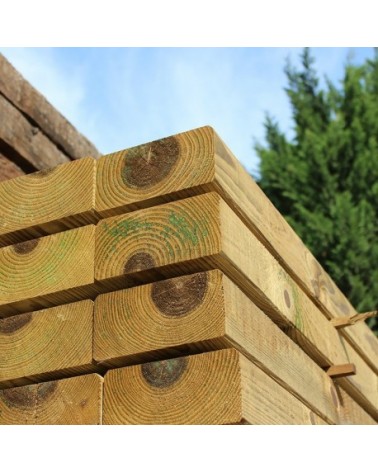
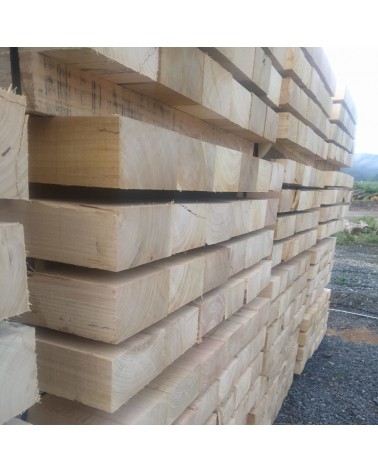
New, more cost effective railway sleepers for making raised beds.

uk-sleepers.co.uk have added many new sleepers to their range over the last few years, most of which have not been used in the UK market before. It is with pride that we now notice other suppliers copying our products, it is the highest praise that a company can receive when other companies choose to offer [...]
Posted in Sleeper Information | Leave a comment

Railway Sleeper treatments

CREOSOTE TREATMENT Many used-railway sleepers from softwood to hardwood are treated with the substance creosote to protect from insect infestation and rot, therefore vastly increasing the longevity of a sleeper. Creosote treated sleepers are ideal to use for steps, paths, borders, retaining walls and bridges. However, there is a low risk that creosote can be carcinogenic in high doses.  Consequently  [...]
Posted in Sleeper Information | Leave a comment

How To Make A Raised Flower Bed

Plan your bed by drawing it out keeping in mind the size and shape of your garden. How large do you want them to be? How high do you want the walls to be? Calculate the amount of wood you’ll need. Thinking of the flower bed as a box without a top and bottom will [...]
Posted in DIY | 5 Comments

Sleeper Production

Log wood felled in the winter is sorted, cut and then stored for at least 6 to 12 months In the open. Crack prevention plates are attached to the front side to protect the wood sleeper from forming cracks. The sleepers are then treated and holes are drilled in preperation for attaching them to the [...]
Posted in Sleeper Information | 2 Comments

Railway Sleeper Grades Explained

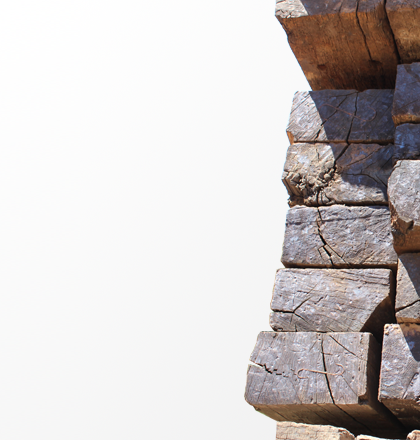
Reclaimed Softwood Railway Sleeper and Crossing Timber Grading Grade A Grade A railway sleeper are used sleeper of excellent quality. They will have bolt holes where they were secured to the tracks and a slight amount of damage or a slight wane to one edge. The sleeper will be free from rot and can be [...]
Posted in Sleeper Information | 5 Comments

Short Railway Sleeper History

The railway origins come from Germany in the 1550′s where roads of rails were constructed and called Wagonways. They were rails over which horse drawn wagons were pulled, they provided an easier route for the wagons to take than dirt roads which they used before. By 1776 iron had replaced the wood in the rails [...]
Posted in Sleeper Information | 2 Comments